


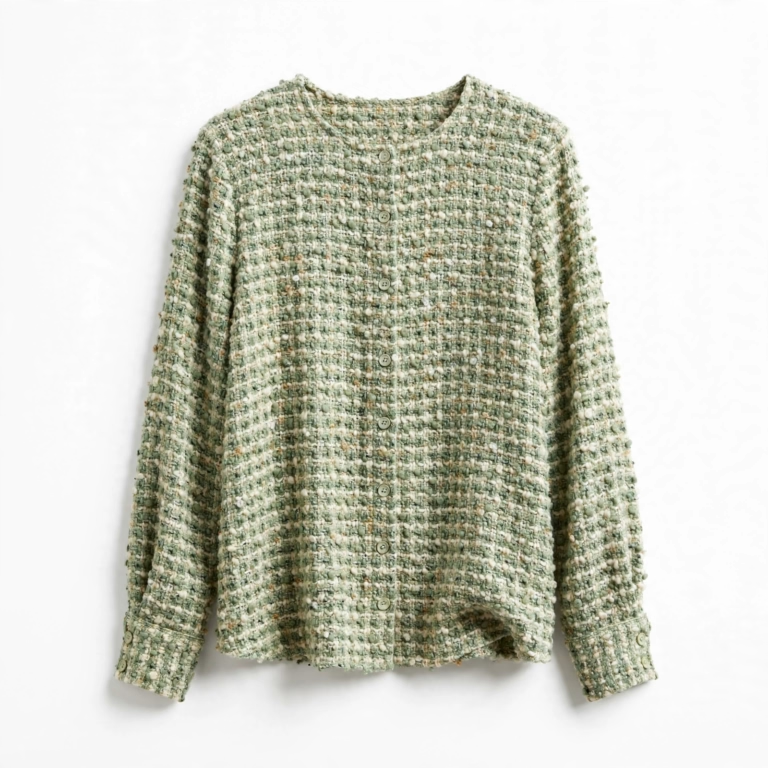

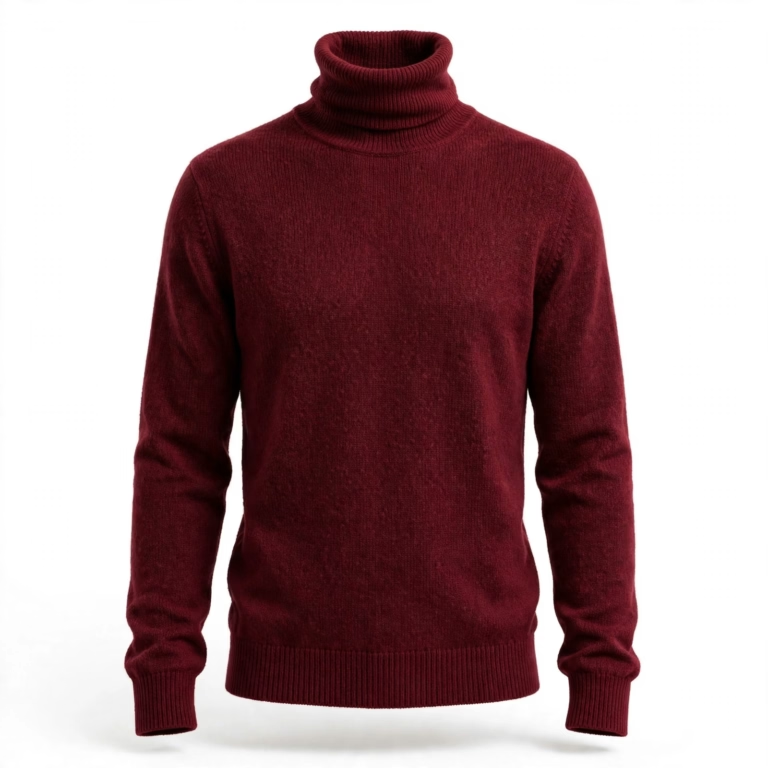


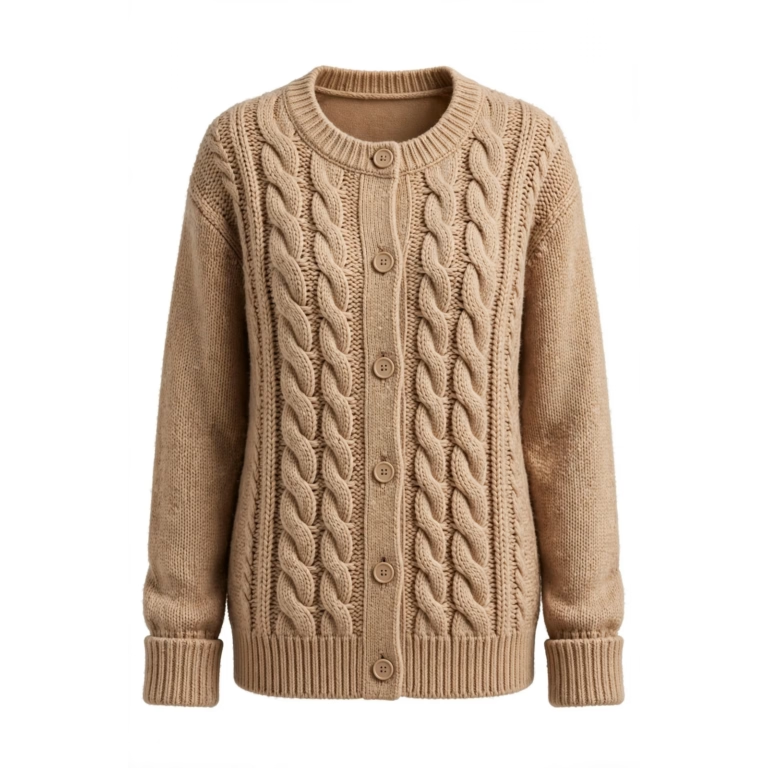

Women’s Knitwear Manufacturer in Bangladesh Knitting for Retail Buyers Worldwide
Women’s knitwear rewards a factory that can hold a standard. A cardigan like the one in the pictures is reordered in new colourways season after season, and every delivery has to match the last in softness, stripe spacing and fit. This page describes the cream and grey striped button cardigan we knit in Bangladesh and how a programme around it is run for retail buyers in Europe, North America and beyond.
The garment is a classic: a V-neck cardigan with natural horn buttons, ribbed cuffs and a ribbed hem, knitted from an organic wool and cashmere blend. Nothing about it chases a trend, which is exactly why it sells steadily and why buyers build long programmes on it.
The Organic Wool Cashmere Classic Stripes Buttons Women Knit Sweater, Part by Part
Start with the yarn. Wool gives the cardigan its body and warmth, cashmere softens the hand feel against the skin, and the organic fibre content supports the sustainability story women’s retail buyers now need on the ticket. The blend is set by your specification and verified when the yarn arrives.
- Neckline: a knitted V-band that sits flat and frames the buttons below it.
- Buttons: natural horn buttons, sewn with a shank so the placket closes without pulling.
- Stripes: soft grey horizontal stripes knitted in, never printed, so the colour runs through the yarn itself.
- Trims: ribbed cuffs and hem that recover their shape after wear and washing.
- Body: fully-fashioned panels, linked at the seams for a clean retail finish.
Because the stripes are knitted rather than printed, their spacing is fixed by the programme and repeats identically on every size. A buyer can reorder two seasons later and the cardigan on the rail matches the first delivery stripe for stripe.
Knitting, Linking and Finishing
Panels are knitted to shape rather than cut from cloth, which keeps the stripe alignment true at the side seams and wastes very little yarn. Linking joins the panels stitch to stitch, giving the flat, soft seams a women’s cardigan needs at the shoulder and armhole.
After linking, each cardigan is washed and softened to the approved hand feel, then measured, steamed and checked before the buttons are sewn. Button spacing follows the graded chart, so the placket sits evenly on every size from the smallest to the largest.
Fit and Grading for Women’s Ranges
Women’s knitwear grading is unforgiving: a centimetre too much at the chest changes how the cardigan drapes, and button strain shows at once. Sizes are graded from your measurement chart and verified on knitted size samples, with chest, body length, sleeve and button spacing measured on finished, washed garments.
The fit block can follow your existing range, so the cardigan sits alongside the knitwear your customers already buy. If your programme starts from a reference sweater, it is measured point by point and those measurements become the chart.
Colourways and Stripe Variations
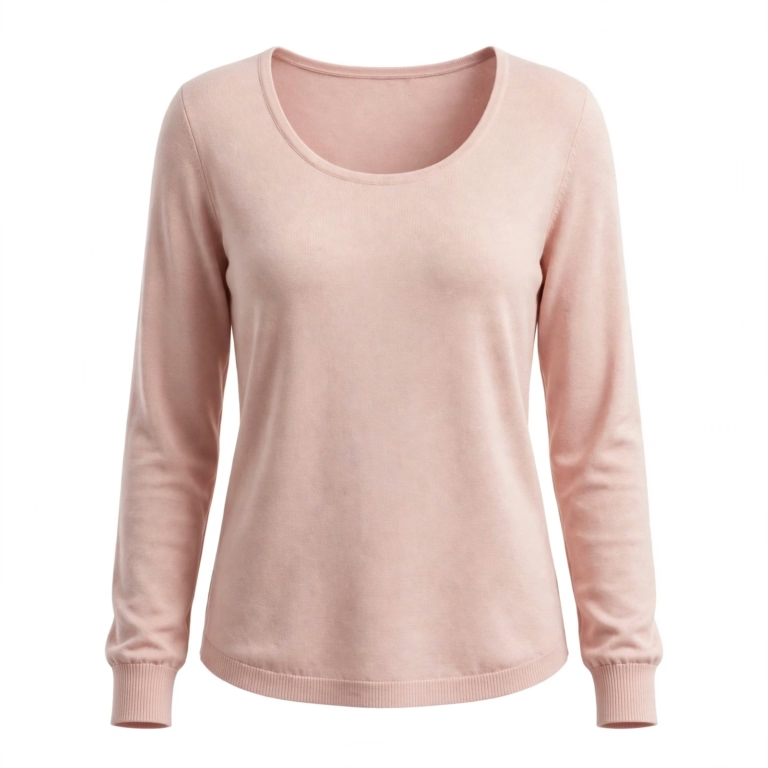
The cream and soft grey colourway in the pictures is the quiet, versatile option, but the same block takes other stories: a deeper charcoal stripe for winter ranges, a soft blush stripe for spring, or a solid body with striped cuffs for a subtler ticket. Because the colour lives in the yarn, new colourways are approved from yarn swatches before knitting.
Buyers often run one block across three or four colourways to build a rail story, and the programme keeps each colourway’s yarn lot separate so shades never drift between deliveries.
Build Sheet for This Cardigan
- Style: women’s V-neck button-front cardigan with knitted-in horizontal stripes.
- Yarn: organic wool and cashmere blend, blend and weight set by your specification.
- Buttons: natural horn, or your chosen button, sewn to the graded spacing chart.
- Sizes: your women’s size range, graded and verified from your measurement chart.
- Label: your woven label inside the back neck, with your size pips, care label and hang tag.
- Packing: folded and bagged to your retail standard, cartons marked with your references.
Labels, Checks and Packing
Your woven label sits inside the back neck, as the label view in the pictures shows, and the care label carries the fibre content and wash instructions your market requires. Every cardigan is checked for knitting faults, stripe alignment, button security and measurements before it is folded.
Finished garments are folded to your retail fold with tissue where your programme calls for it, bagged, and packed in size ratio or solid sizes. The sample and reorder flow is simple: approve the first cardigan, and reorders run against that approved standard with the same yarn specification, made to your level: your quality, your fabric, your design and your measurement.
Sample, Reorder and Season Planning
A knitwear programme usually starts with one cardigan sampled in the buyer’s own colourway, approved for fit, hand feel and button choice. Once approved, that sample becomes the standard: its yarn lot specification, measurements and finishing notes stay on file, and every later delivery is checked against it.
Season planning matters with wool blends because yarn is bought for the programme. Buyers who share their season calendar early get their colourways knitted in sequence, so the cream cardigan lands for the early season drop and the deeper colourways follow for winter, each with the same fit and finish as the approved first sample.
Holding Knitwear Stock for Winter Programmes
Retail knitwear sells in a short, intense window, and buyers who wait for the cold weather to order find the best yarns already committed. Programmes that hold a measured level of stock work differently: a core quantity of the cardigan is knitted ahead in the proven colourways, so the first cold week of the season is met from the shelf rather than from the knitting queue.
Holding stock only works when the garment is a known standard. Because this cardigan’s fit, stripe spacing and button choice are fixed by the approved sample, stock units are identical to the buyer’s original delivery, and a top-up order later in the season can still be knitted to the same standard while the held stock covers the immediate demand.
- Core colourways first: cream and grey lead the held quantity, with seasonal colours knitted to order.
- Balanced size curves: held stock follows the size ratio the buyer’s own sales history shows.
- Trade context: Bangladesh’s knitwear export figures are published by the International Trade Centre for buyers planning volumes.
The balance is reviewed with the buyer each season, so the held quantity grows with the programme instead of sitting as dead inventory.
Questions Buyers Ask About This Sweater
Can the stripe layout be changed for our range?
Yes. Stripe width, spacing and colour are set by your programme and approved from knitted swatches before bulk. The cardigan in the pictures uses a fine, even stripe; wider or grouped stripes run on the same block.
Is the fibre blend flexible?
The blend follows your specification and your market’s labelling rules. Wool and cashmere proportions can be adjusted, and the approved blend is held across reorders so the hand feel never changes between deliveries.
How are sizes verified before bulk knitting?
Knitted samples in your size range are washed, finished and measured against your chart. Bulk knitting starts only after those measurements are approved, and finished garments are measured again at final inspection.
Start a Knitwear Programme
Send your knitwear specification, a yarn requirement or a reference sweater and the team will knit a first sample on this block. Buyers exploring the wider range can browse our core garment range, check the MOQ requirements page for how orders are structured, and then contact Siatex with the details.